

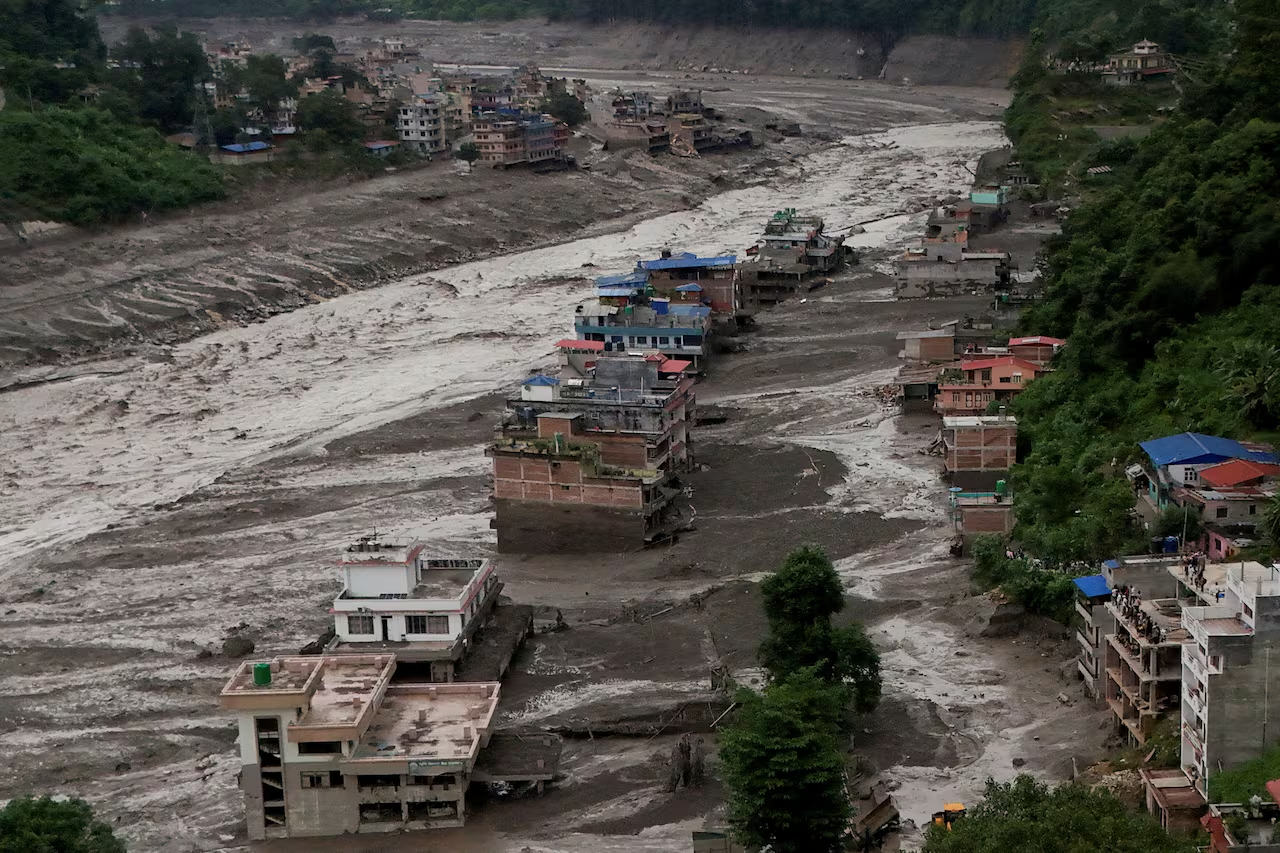
Nepal Floods Put Climate Disaster Funding at the Centre of COP31 Talks
Developing countries want climate adaptation and disaster finance to be a top priority at the COP31 summit in Antalya, Turkey, after flash floods in Nepal exposed the limits of current funding programmes.
- Floods
- Caused by a collapsed glacier that swept down the Trishuli River in August; more than 1,450 confirmed dead and about 5,300 missing
- First payout
- $21.6 million US from the UN loss and damage fund for Nepal, less than 1 per cent of estimated losses
- Fund requests
- 119 countries have applied for about $2.8 billion US; donors have pledged about $822 million US, and roughly half has been paid
- Summit dates
- Runs until 20 November
The Nepal Disaster
A Nepali delegate said that within minutes the floods had killed far more people than the official toll, and that the disaster showed what climate change means for mountain countries. The floods have caused billions of dollars in damage and could push Nepal further into debt.
Money That Moves Slowly
The UN’s loss and damage fund, created three years ago, made its first payout last month. Analysts say the sum is far too small, although the fund acted quickly. The fund took about seven weeks to hold a board meeting and approve money for Nepal, and the funds still had to pass through a separate application process before being paid. A campaign group is pressing donors, including Canada, to pledge and pay more.
Slow Approvals for Adaptation Projects
Representatives of low-income and small island nations say the process for accessing adaptation and mitigation funding is slow and technical, which is hard for countries with small government bureaucracies. Nepal applied to the Green Climate Fund about eight years ago for a flood-protection project and waited seven years for approval, so it had not started the work when the disaster hit.
Debt and Rebuilding
Experts say Nepal shows the need for debt relief. The country’s external debt rose from about $4 billion US in 2015 to more than $10 billion US by 2023, partly to fund earthquake relief. Nepal is due to pay about $400 million US in 2027 to service loans from the World Bank and Asian Development Bank. Proposals include a temporary pause on debt payments after climate disasters, and some experts want debt repayments replaced by money for reconstruction.
Negotiating Demands
Africa-led groups have put financial commitments on the summit’s agenda. Proposals on the table include a debt pause clause and more compensation for damage to infrastructure, culture and the economy. Countries are also pressing for faster access to funds already pledged by richer nations, including Canada.
This summary is based on a CBC News report published on 13 November 2026. Figures are as reported by the UN fund, campaign groups and experts quoted, and may change as the summit continues.