
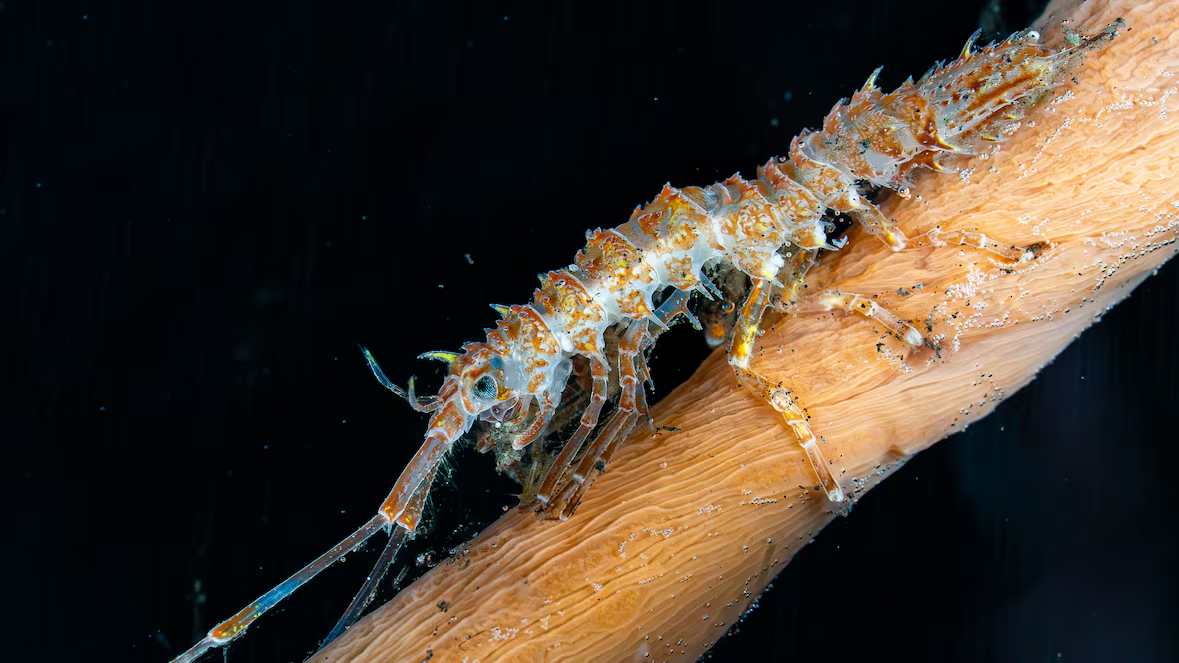
Scientists Race to Document Ocean Species Before They Are Lost
Scientists say that not knowing what lives in the oceans is holding back efforts to protect them, and that many are racing to record species in waters that are hard to reach, as the UN climate summit turns its attention to marine life.
- Undocumented species
- Scientists have recorded less than 10 per cent of an estimated 2.2 million marine species
- Ocean protection target
- A 2022 UN agreement aims to protect 30 per cent of land and sea by 2030, but only about 12 per cent of oceans are on track
- Canada
- About 15.5 per cent of its oceans protected, according to CPAWS
- Recent finds
- 57 new species announced in October from an expedition off Argentina; 20 new species of tiny zooplankton identified by the same project
Why Knowing Matters
Protecting marine areas depends on knowing which places are rich in biodiversity. One Ocean Census leader said it is very difficult to protect what you do not know. Researchers say many areas, in Canada and elsewhere, have never been surveyed properly, so there is little baseline to measure change against.
Discoveries in Canadian Waters
A 2023 expedition to Quebec’s Saguenay Fjord found between 20 and 30 sponge species on steep walls where only one had been recorded before, some of them new to science. Among them were carnivorous sponges that trap small shrimp. In another survey, a sea slug was recorded off Canada’s coast for the first time. Researchers are now working with the Innu Nation to survey uncharted waters in Labrador.
Climate Change and Shifting Species
As the ocean warms, species are moving or disappearing. Basket stars, once common around St Andrews in New Brunswick, have not been seen there since a rapid warming around 2016. Cold-water species may be pushed into smaller areas, while warm-water species may expand. Researchers using DNA sampling from water say these shifts could affect fish and shellfish that people eat, and how carbon moves through the ocean.
Blue Carbon
The ocean stores what is known as blue carbon. According to a UN report, the ocean has absorbed about 30 per cent of human-generated carbon dioxide and about 90 per cent of the extra heat trapped by climate change, although its ability to keep doing so is weakening. Coral reefs, which store large amounts of carbon, are among the ecosystems most threatened by warming.
The Climate Summit
Marine ecosystems are on the agenda at COP31 in Antalya, Turkey, under an item on unlocking blue carbon for climate resilience. Some delegates are pushing for a strong reference to the oceans in the next global review of climate policies.
Sharing the Discoveries
The scientists hope that showing the public images of the creatures they find will build support for protecting the ocean. One described the species as so unusual that people would not believe they came from this planet. She said that finding as many species as possible is needed before some are lost.
This summary is based on a CBC News feature published on 15 November 2026. Figures are as reported by the organisations cited, including Ocean Census and CPAWS.